
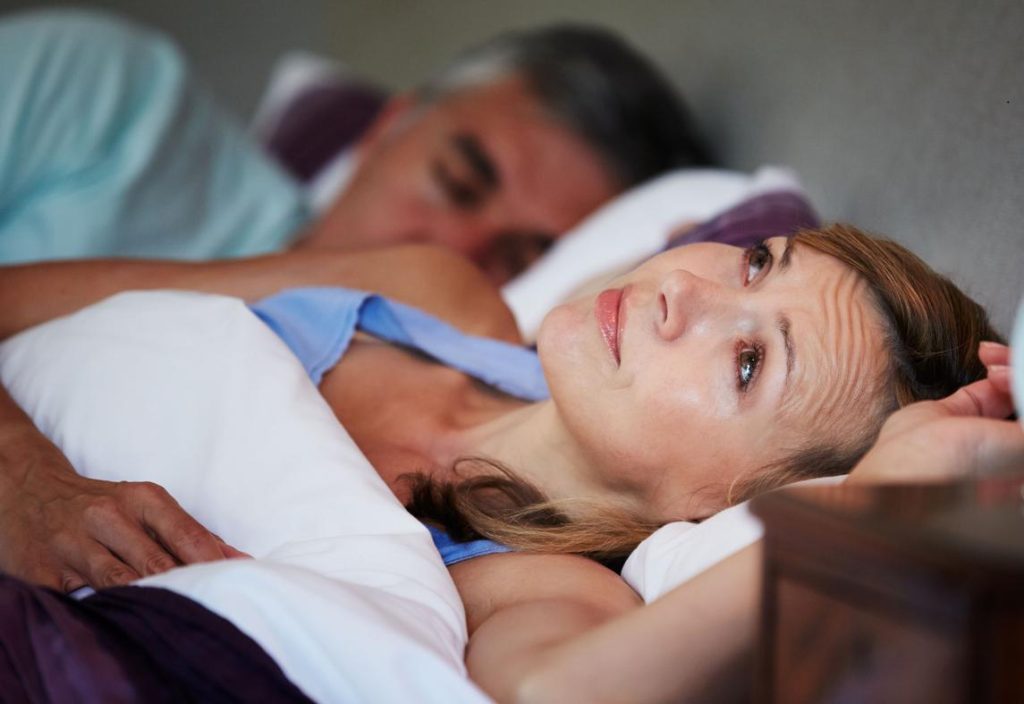
Treatment for Insomnia, Night Sweats, and Sleep Disturbances During Menopause
If you’re struggling to fall asleep, stay asleep, or wake up feeling exhausted, you’re not alone. Sleep disruption is one of the most common (and frustrating) symptoms women face during perimenopause and menopause. At The Menopause Wellness Centre in Vaughan, we offer targeted, integrated support to help you restore deep, restful sleep.
Sleep issues during menopause are often linked to hormonal changes—especially declining levels of estrogen and progesterone, which play a role in regulating body temperature, mood, and sleep cycles.
You may find yourself:
Waking frequently during the night
Experiencing night sweats or hot flashes
Tossing and turning for hours
Waking too early and unable to fall back asleep
Feeling mentally foggy or emotionally drained due to poor sleep
Even if you’ve never had sleep problems before, menopause can introduce new challenges that require a multi-faceted solution.
We work with women experiencing several different types of menopause-related sleep issues, including but not limited to:
Menopausal insomnia (difficulty falling or staying asleep)
Hot flash-related waking
Anxiety or stress-induced restlessness
Fragmented sleep due to hormonal shifts
Fatigue that doesn’t resolve with sleep
Mood or cognitive issues tied to poor sleep

At The Menopause Wellness Centre, we take a whole-body approach to sleep health. Your care plan may include:
Our psychotherapists provide CBT-I (Cognitive Behavioural Therapy for Insomnia), a proven method for breaking the cycle of poor sleep, racing thoughts, and frustration.
Estrogen and progesterone help regulate body temperature and circadian rhythm. If you’re a candidate for hormone therapy, we’ll explain your options and how it may help improve sleep quality.
Our naturopathic team provides guidance on foods, supplements, and routines that support natural melatonin production and reduce nighttime wakefulness.
We teach practical strategies like breathing exercises, mindfulness, and nervous system regulation techniques to calm your body and prepare for rest.
Sleep problems during menopause often don’t exist in isolation. We also explore how your sleep is impacted by:
Anxiety, low mood, or irritability
Nighttime hot flashes or sweats
Cortisol and adrenal imbalances
Daily stressors and poor sleep habits
Our integrated team works together to uncover root causes and treat your sleep struggles from all angles.

Women across Vaughan trust us for our:
Integrated team of medical doctors, naturopaths, therapists, and fitness specialists
Personalized plans that reflect your goals, symptoms, and preferences
Transparent care with OHIP-covered services where applicable
Comfortable environment where you are heard, supported, and guided through each step
This is menopause care reimagined—with you at the center.
Many patients also benefit from our related services, including, Hormone Therapy (HRT) Support, Menopause Mental Health Therapy, Nutrition & Naturopathic Support and Physical Training to Improve Sleep Regulation. These services can be added to your care plan based on your needs and preferences.
Is insomnia a normal part of menopause?
Yes, many women experience new or worsened sleep issues due to hormonal changes. But that doesn’t mean you have to live with it—we can help.
Do I need to take sleeping pills?
Not necessarily. We focus on non-pharmaceutical options first, including CBT-I and hormone balancing, but will discuss all your options.
How do hormones affect sleep?
Estrogen helps regulate body temperature and serotonin, while progesterone has a calming effect. Low levels of these hormones can disrupt sleep cycles.
Can this be done virtually?
Yes. Sleep therapy, naturopathic consults, and initial assessments can be done virtually. We also offer in-person care at our Vaughan clinic.
You deserve to feel rested, clear-headed, and energized again. Start your journey to better sleep with a free consultation at The Menopause Wellness Centre in Vaughan.